What is geofencing?
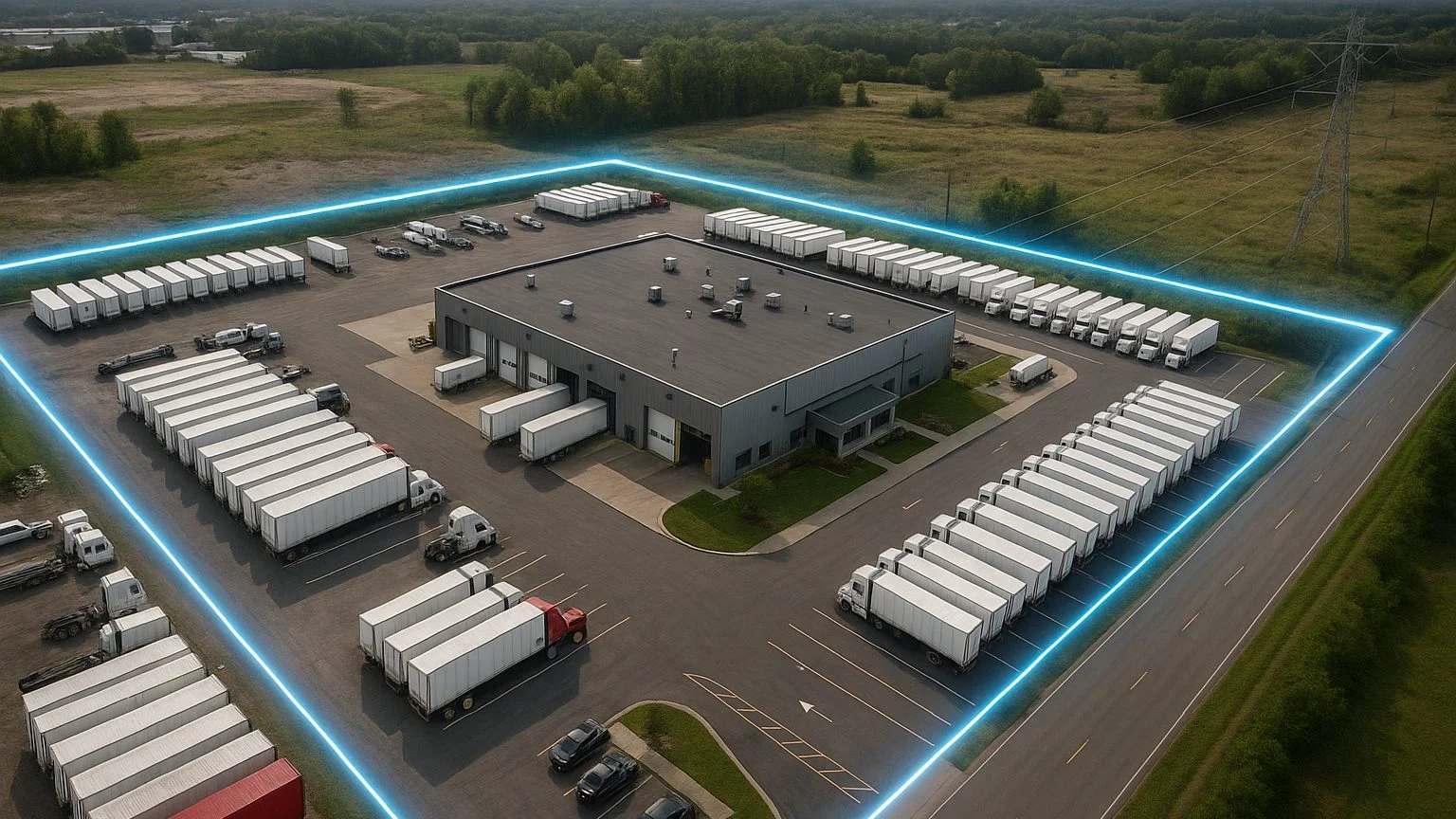
Geofencing, or virtual geographic fencing, is a technology that defines a bounded geographic area in digital space. In practical terms, it means drawing an invisible boundary around a real-world location (a city, a store, a warehouse or even a single street) and automatically triggering actions when a connected device enters or leaves that area.
The term combines “geo” (geography) and “fence”. Today, this technology is built into many mobile apps, logistics systems, marketing tools and security solutions. It relies on a combination of several location technologies to work accurately.
The location technologies involved
Geofencing does not rely on a single technology. It combines several positioning systems to ensure reliable, accurate detection wherever the user happens to be.
- GPS (Global Positioning System): the most accurate option outdoors, it uses satellites to determine a device’s exact position within a margin of error of a few meters.
- Wi-Fi: indoors or in dense urban areas, triangulation of Wi-Fi networks can locate a device with good accuracy.
- Bluetooth and BLE (Bluetooth Low Energy) beacons: used for very short-range geofencing, particularly in retail stores and museums.
- Cellular networks: less accurate but very useful in areas without GPS coverage, they provide an approximate location based on cell towers.
In practice, modern systems combine these technologies intelligently to maximize accuracy while preserving the device’s battery life.
How does a geofence actually work?
A geofence works through a logical, multi-step process. Understanding this process gives a clearer picture of what the technology can and cannot do.
1. Defining the zone
It all starts with creating the virtual zone. An administrator or developer defines a geographic area on a digital map. This zone can take different shapes: a circle around a central point (the most common shape), a custom polygon, or even a corridor along a road. Its size can range from a few square meters to several kilometers.
2. Real-time monitoring
Once the zone is defined, the system continuously monitors the position of registered devices (smartphones, tablets, connected vehicles, smartwatches). This monitoring is usually handled by an app installed on the device, which regularly polls its location sensors.
3. Triggering an action
When a device crosses the geofence boundary (entering or exiting), an event is detected. That event then triggers a predefined action. These actions can vary widely depending on how the geofence is used.
- Sending a push notification to the user’s smartphone
- Triggering an alert for an administrator or manager
- Automatically recording a timestamp (for attendance tracking)
- Turning a feature on the device on or off
- Launching a targeted advertising campaign
Key geofencing use cases
Geofencing applies to a wide range of industries. Its flexibility makes it a particularly powerful tool for businesses and individuals alike.
Proximity marketing
Retailers use geofencing to send promotional offers to customers passing near a store. For example, a user entering a shopping mall can instantly receive a discount coupon valid at one of the participating stores. This approach significantly increases the conversion rate of marketing campaigns.
Logistics and fleet management
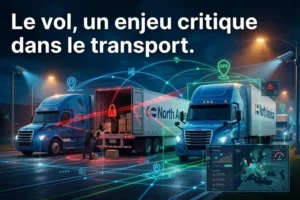
Transportation companies use geofencing to monitor their vehicles. When a truck leaves an authorized zone or reaches its destination, an alert is automatically sent to the fleet manager. This helps optimize routes, detect unauthorized detours and improve cargo security.
Security and parental controls
Parents can set up safe zones (home, school, park) and get a notification as soon as their child leaves them. Likewise, businesses protect sensitive infrastructure by configuring alerts whenever an unauthorized device enters a defined perimeter.
Human resources and attendance tracking
Some HR apps use geofencing to automate employee clock-ins. When an employee arrives on company premises, their arrival is recorded automatically, with no need to badge in manually.
Smart home and home automation
In a connected home, geofencing automates everyday actions. The heating turns on automatically as you approach your home, the lights switch off when you leave, or the garage door opens as soon as your car enters the defined zone.
Geofencing limitations and challenges
Despite its many advantages, geofencing also has limitations that are important to understand.
- Variable accuracy: indoors or in areas with poor satellite coverage, accuracy may be insufficient and generate false alerts.
- Battery consumption: continuous location monitoring uses power, which can shorten the battery life of mobile devices.
- Personal data protection: collecting location data raises significant privacy concerns. In Europe, the GDPR imposes strict obligations on companies that use this technology.
- User consent: to be used legally on a smartphone, geofencing requires the user’s explicit permission to access their location.
The future of geofencing
With the rise of the Internet of Things (IoT), smart cities and 5G, geofencing will keep growing and improving. Virtual zones will become more accurate, more responsive and better integrated into everyday systems. Applications in health care, urban mobility and retail are especially promising.
Geofencing is therefore much more than a simple technical feature: it is a bridge between the physical and digital worlds, capable of making our environments smarter and more responsive to our needs.